Reduce or retire
Remove waste, duplication, unused capacity, or low-value spend where the service and risk impact are understood.
Playbook · Free
Turn technology spend into visible decisions, accountable actions, and measurable business value.
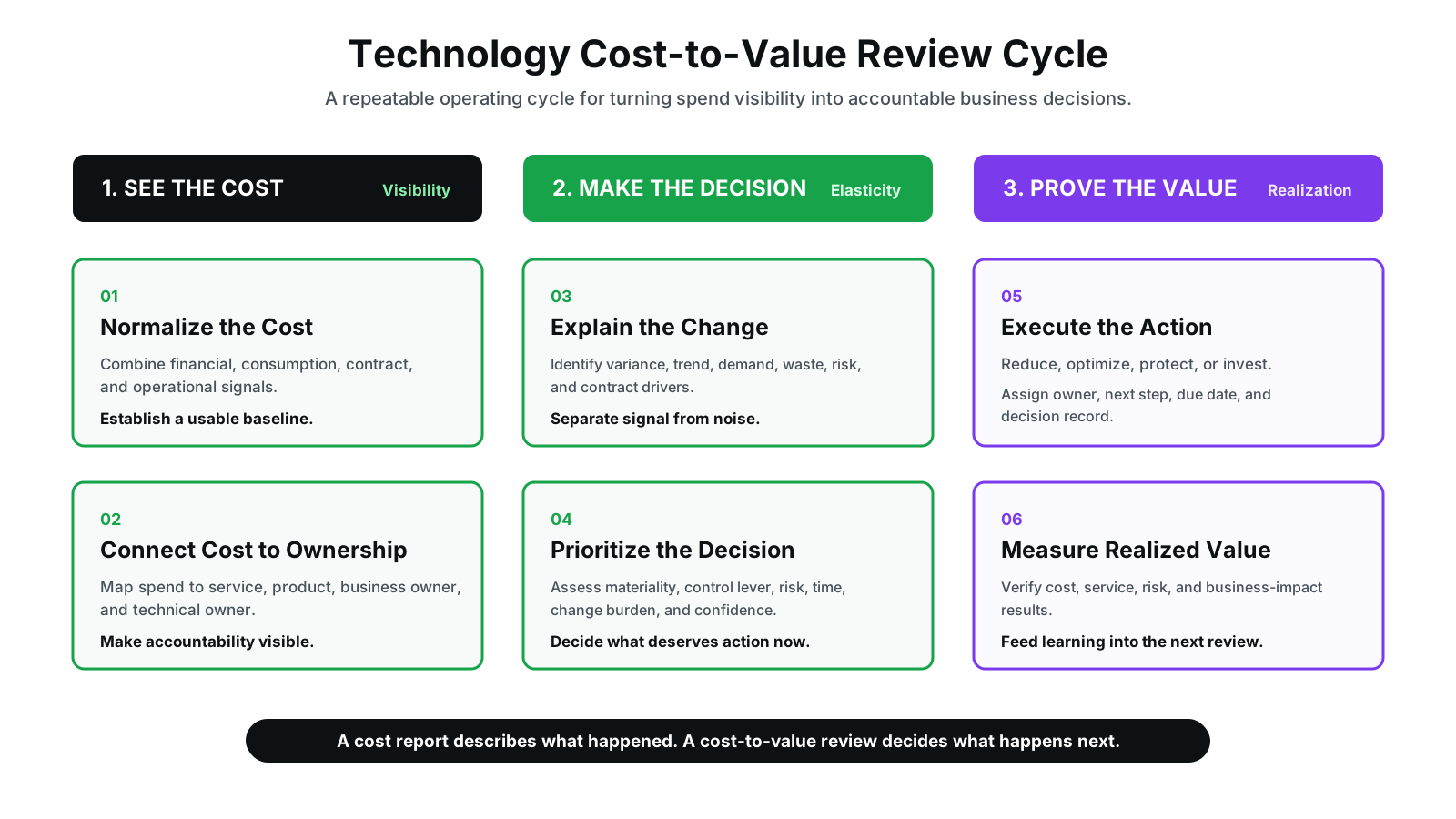
A technology-cost review should not end with “we spent more than expected.” It should turn a material change into a decision that someone can own, execute, and verify. The unit of work is not a report or a savings target; it is a reviewable decision with a service context, a known owner, an action boundary, and an expected result.
This is not a cut-costs-everywhere framework. A well-run review can conclude that a cost should be reduced, optimized, protected, or increased. The point is to make that conclusion visible and evidence-based.
Remove waste, duplication, unused capacity, or low-value spend where the service and risk impact are understood.
Right-size, renegotiate, improve utilization, or apply a technical or commercial lever without weakening needed capability.
Preserve spend that supports a critical service, control, customer experience, or required capability.
Increase investment where evidence shows measurable value, strategic need, or a credible constraint on growth.
For every material item, capture: what changed; why it changed; the service or product affected; business and technical owners; the decision available now; operational or business risk; expected realization time; action and due date; and the measure that will prove the result. This creates an audit trail without turning the review into a dashboard exercise.
Start with a manageable cadence. A monthly review may be appropriate for volatile consumption costs, while quarterly may fit contracts or larger investment decisions. Escalate only the items that have a meaningful lever, a qualified owner, and enough evidence to support a decision.
Do not declare success when a decision is approved. Compare the expected result with what actually happened. A reduction may lower run cost; an optimization may preserve service while lowering unit cost; a protection decision may avoid an outage or control failure; an investment may improve throughput, customer experience, or time to market.
When the result differs from the expectation, record why. The objective is not perfect forecasting. It is a better next decision, supported by visible ownership and learning.